Atlantic Octopus
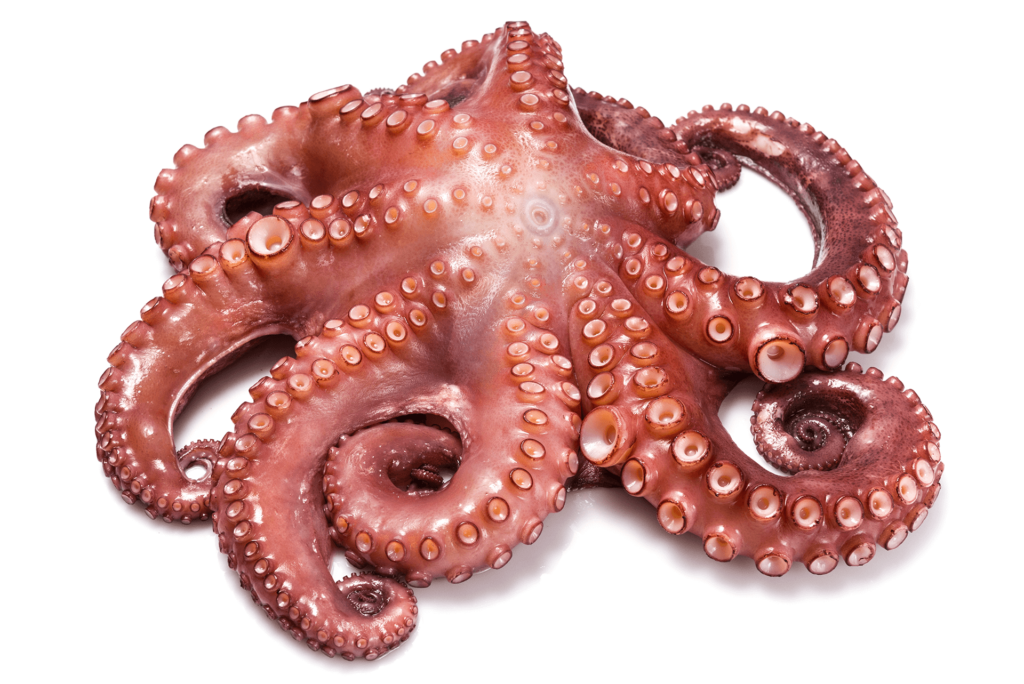
The common octopus (Octopus vulgaris) is one of the most sought-after cephalopods in international gastronomy. Caught in the Atlantic waters off the Moroccan coast, our octopus is distinguished by its tender, flavorful flesh and incomparable texture.
Renowned for its exceptional culinary versatility, octopus is highly prized in Mediterranean, Asian, and Latin American cuisines. Rich in high-quality proteins, low in fat, a source of omega-3, vitamin B12, and essential minerals such as iron and selenium, it combines gustatory excellence with nutritional benefits.
We offer our octopus fresh for local markets or frozen (whole, cleaned, or in portions) to optimize preservation and facilitate preparation. Each octopus is certified ISO 22000, HACCP and CE, with complete traceability guaranteeing the most demanding quality standards of the international market.
Technical Specifications
| Scientific Name | Octopus vulgaris |
|---|---|
| Common Name | Common Octopus |
| Family | Octopodidae (Cephalopods) |
| Origin | Atlantic Ocean, Moroccan Coast |
| Fishing Season | Year-round (peak: September-March) |
| Availability | Fresh, Frozen (whole, cleaned, portions) |
| Sizes | T1: 200-500g, T2: 500g-1kg, T3: 1-2kg, T4: 2-3kg, T5: 3kg+ |
| Packaging | Polystyrene boxes 20kg / IQF / Frozen blocks |
| Presentation | Whole raw, Cleaned (gutted), Separated tentacles, Sliced |
| Net Yield | 65-70% after cleaning (without head and viscera) |
| Temperature | 0-2°C (fresh) / -18°C to -25°C (frozen) |
| Shelf Life | 3-4 days (fresh on ice) / 24 months (frozen) |
| Fishing Method | Pots (traps), Trawl, Artisanal diving |
| Certifications | ISO 22000, HACCP, CE |
Nutritional Benefits & Commercial Advantages
- Tender and flavorful flesh after appropriate cooking
- Very rich in high-quality proteins (30g/100g cooked)
- Very low in fat (2g/100g) - ideal for diets
- Important source of omega-3 (EPA and DHA)
- Excellent source of vitamin B12 (essential)
- Rich in minerals: iron, selenium, zinc, phosphorus
- Source of taurine (beneficial amino acid)
- Exceptional culinary versatility (grilled, braised, marinated, fried)
- High demand in Mediterranean and Asian markets
- Excellent value for money
- Optimal preservation by freezing
- Complete traceability from catch to export
Culinary Applications
- Mediterranean grilled octopus (with olive oil, lemon, paprika)
- Braised octopus in sauce (tomato, white wine, herbs)
- Octopus carpaccio (thin marinated slices)
- Octopus salad (Greek and Italian specialty)
- Fried octopus (Spanish tapas - pulpo frito)
- Pulpo a la gallega (Galician - potatoes, paprika)
- Provençal-style octopus
- Takoyaki (Japanese octopus fritters)
- Octopus curry (Asian cuisine)
- Vinegar-marinated octopus
- Octopus risotto or paella
- Grilled octopus skewers
Preparation Tips
- Tenderizing: Beat fresh octopus or freeze/thaw to tenderize fibers
- Cooking: Dip 3 times in boiling water then cook 45-60 min depending on size
- Quick alternative: Pressure cooker 15-20 minutes for tender flesh
- Cooking test: Flesh should be tender under fork
- Grilling: Pre-cook then grill for char marks and smoky flavor
- Marinade: Olive oil, lemon, garlic, parsley enhance the flavor
- Small size (200-500g): Ideal for whole grilling
- Large size (2kg+): Perfect for slices, stews, braised dishes
Interested in This Premium Product?
Contact our sales team for a personalized quote on our different sizes and packaging options for octopus.
Request a Quote